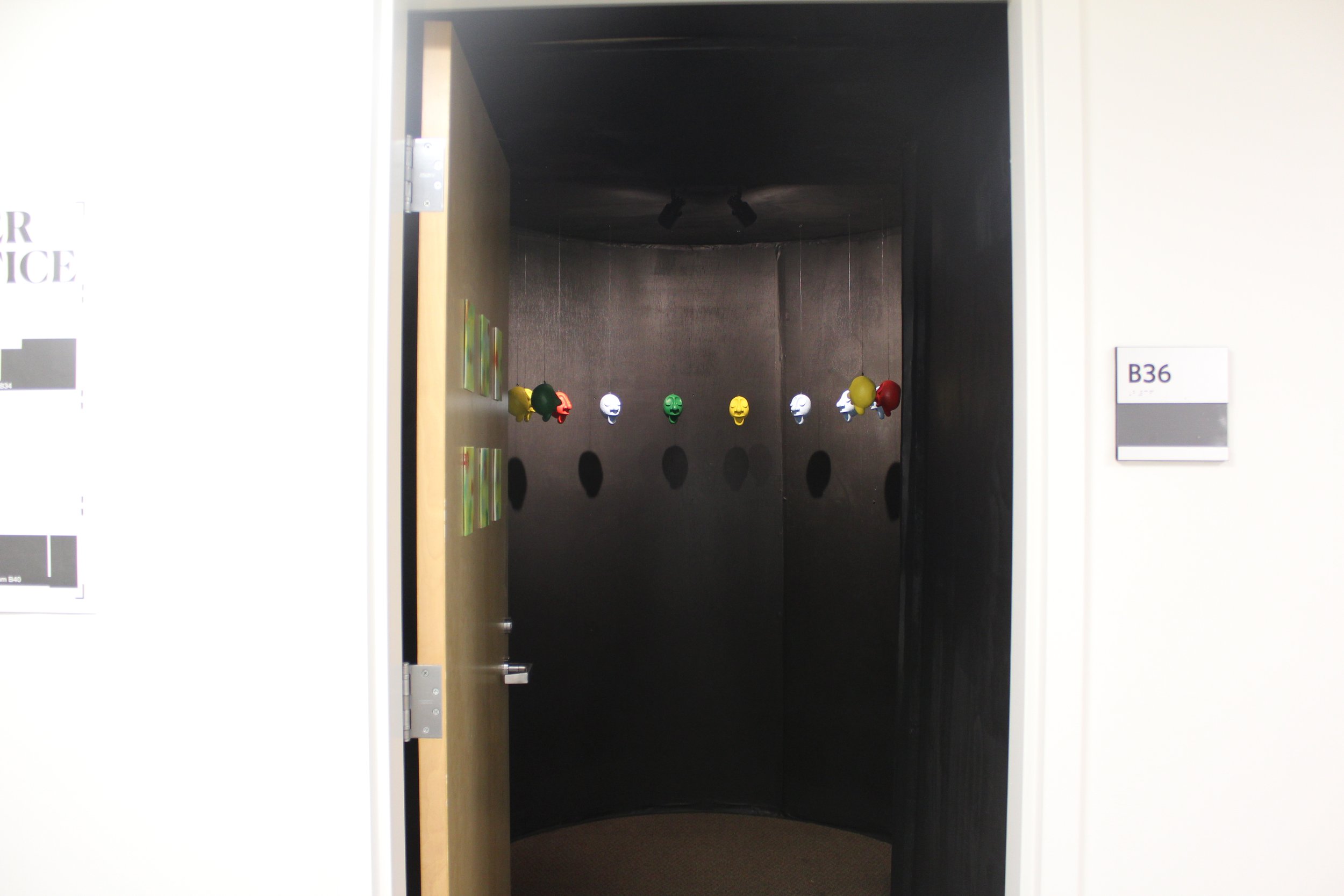
As a part of the 2025 Boston Triennial, the students showing work in Interstice have taken unused classrooms in the basement of Boston University as a starting point for creating site-responsive artwork. Over the course of a month, these BFA and MFA students have undertaken the enormous task of transforming and metabolizing institutional scraps that have been left fallow, literally underground. The inner machinations which led to the partial desuetude of these basement classrooms are obscured within folds of bureaucracy. Interstice examines this ambiguity of boundaries by asking what it means to create a temporary undercommons where meaning can be co-created through constraint, friction, and generative possibility.
For this collaborative installation, we will explore how boundaries are constructed, crossed, and experienced through the creation of a temporary sense of belonging in public spaces, as well as questions about the internal and external aspects of an individual. The abandoned classroom where our pieces will be showcased embodies the contradictions of public spaces in contemporary urban life: it is both open and monitored, yet also a potential retreat and an intimate place.
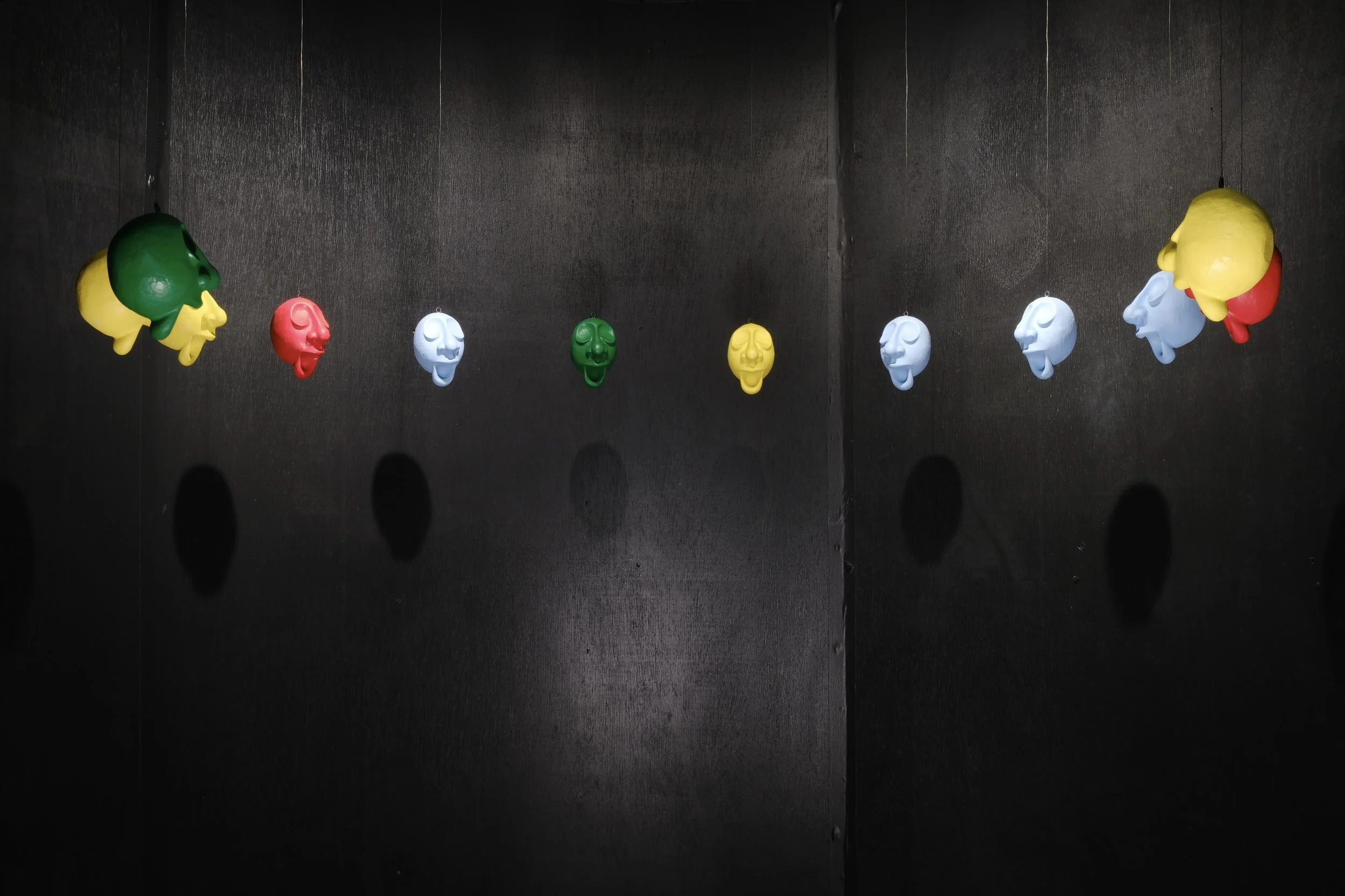
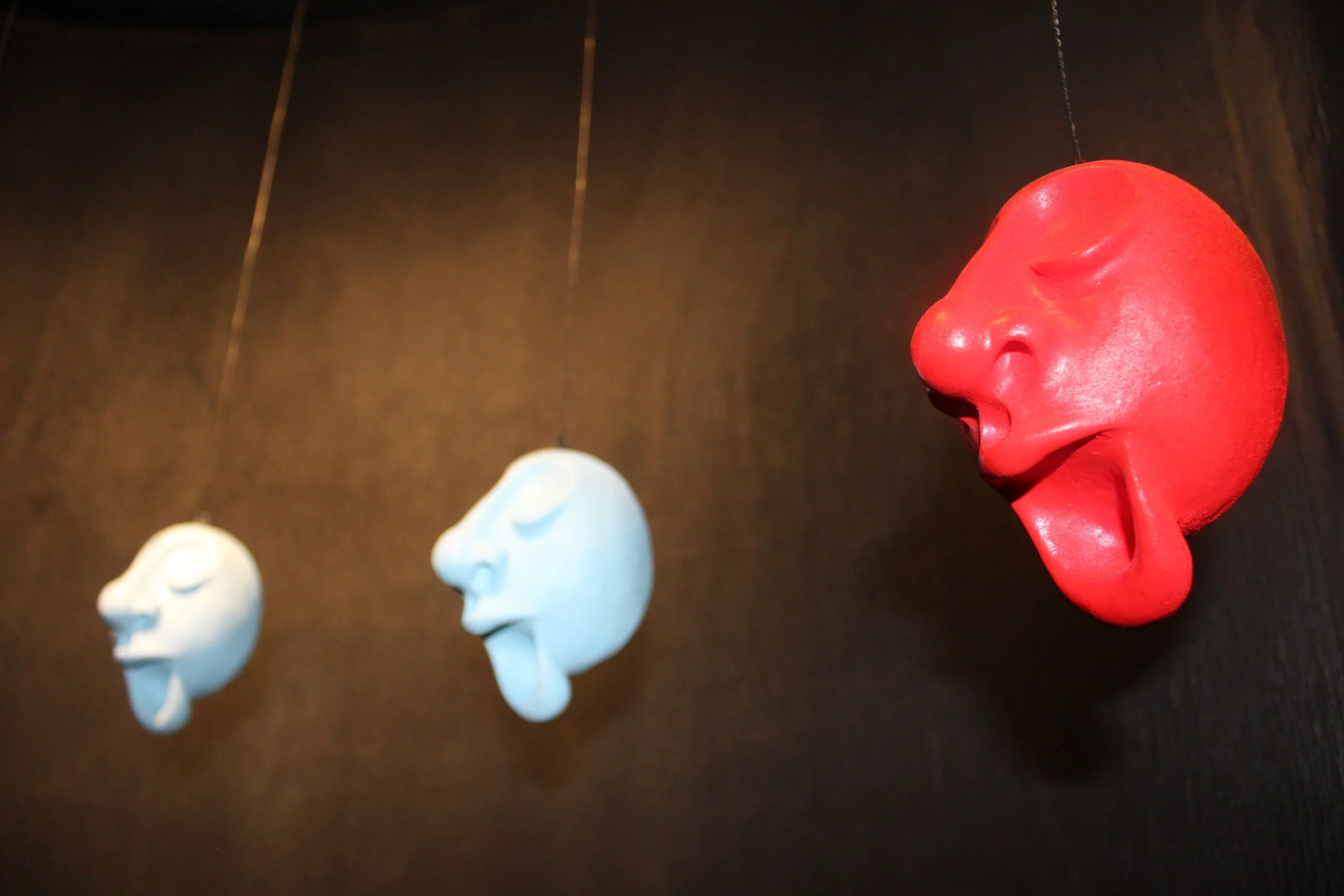
Alexandra’s piece brings this concept inward, focusing on the self at a cellular level, where the form of her piece resembles a cell, the smallest structural and functional unit of an organism. The “cell” serves as a visual and scientific metaphor for individuals, as there are strict internal and external boundaries. By placing the viewer inside of the “cell”, Alexandra’s work invites reflection on how each person is both contained within their own limits and connected within a larger system, blurring the boundary between self and collective.